I recently was informed about Google’s research into high performing teams (successful teams at Google) called Project Aristotle. The number one factor and most common was Psychological Safety. I was then introduced to a book by Amy Edmondson called The Fearless Organisation.
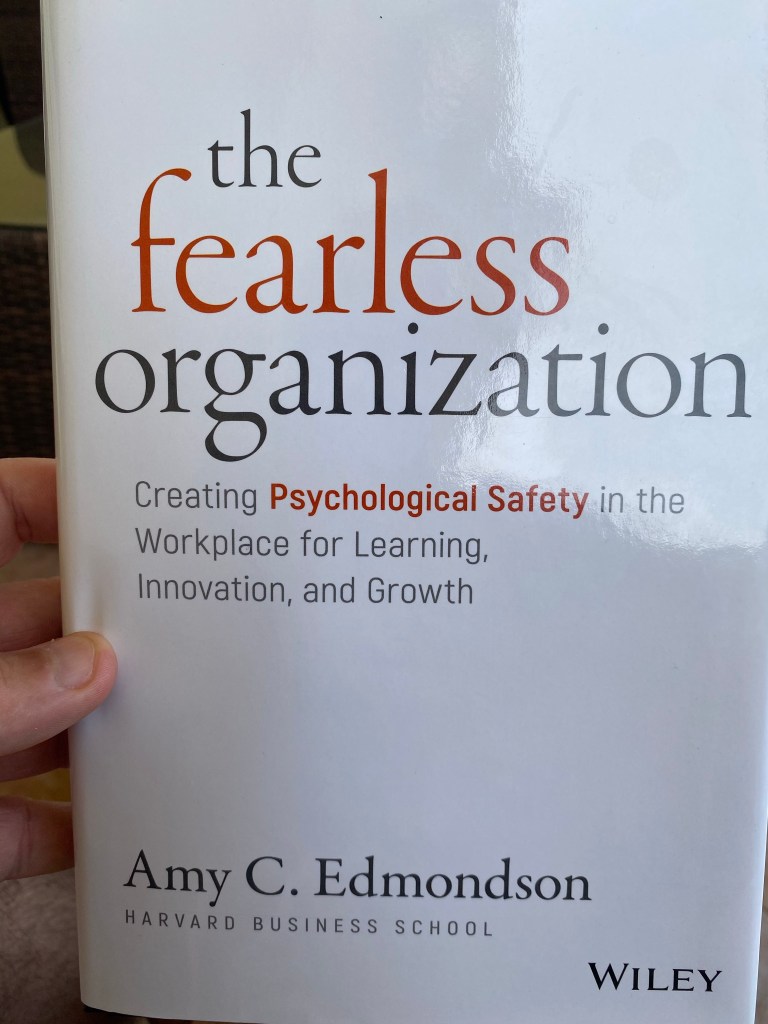
In her book she defines a psychological safe environment as follows:
- People believe that if they make a mistake or ask for help, others will not react badly to it.
- Candor is both allowed and expected.
- People feel they can speak up, offer ideas and ask questions without fear of being punished or embarrassed.
The book interestingly defines what psychological safety is not which is outlined below.
- Psychological Safety is not about being nice.
- Psychological Safety is not just another word for trust.
- Psychological Safety is not about lowering performance standards.
- Psychological Safety does not depend on personality types.
Why is it so important and why should we focus on it for agile teams?
At Google they noticed that the extremely smart and high-powered employees needed a psychological safe work environment to contribute their talents to the team and add value.
I have personally experienced that psychological safety is vital for more junior members of the team as well. They become more engaged, feel they can contribute and their skills are improved at a faster rate.
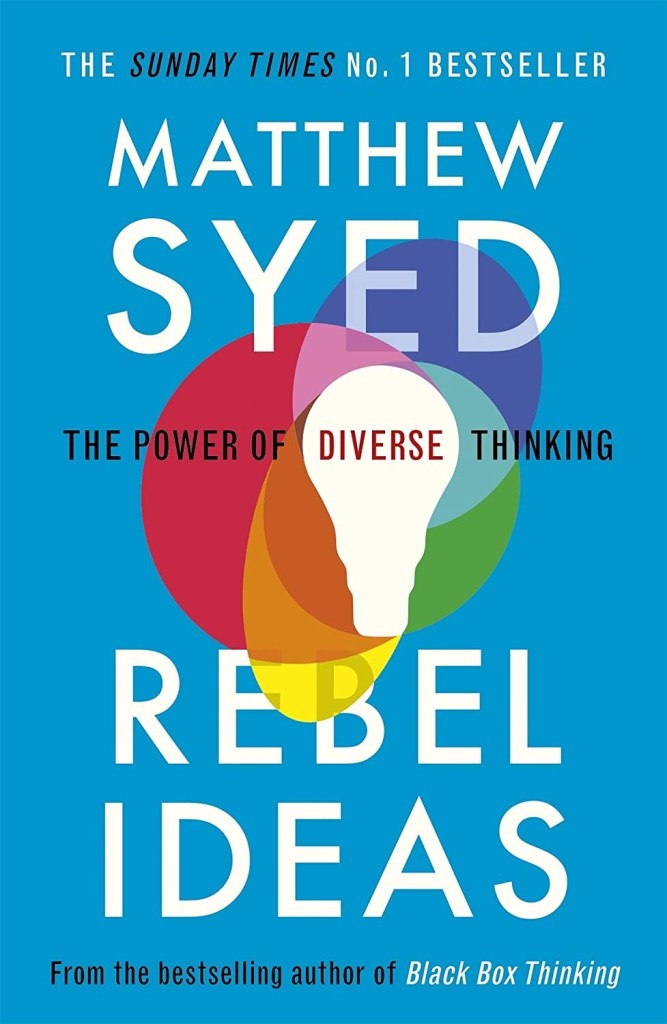
Another important point is psychological safety enables diverse thinking. All team members’ opinions or ideas can be heard. Matthew Syed the author of Rebel Ideas argues that individual intelligence is no longer enough; that the only way to tackle these complex problems is to harness the power of our ‘cognitive diversity’.
Continuous improvement and collaboration is a vital factor for a high performing agile team. Psychological safety allows team members to offer opinions and ideas no matter how silly they are without any judgements being made. As scrum masters or managers we need to aspire to enabling this type of environment as diverse thinking will occur, allowing teams to work effectively and efficiently. Teams with a blame culture and fear will never be high performing and ultimately team members will leave.
Conflict
Conflict will occur at some point in an agile team. Conflict can negatively affect a team and it’s performance. However in psychological safe environments conflict is constructive and leads to improved performance and better decisions being made. The team gains the ability to express relevant ideas without embarrassment or excessive personal conflict between team members.
Consequences of Psychological Unsafe Environments
Volkswagen
The CEO of Volkswagen Martin Winterkorn was well known to motivate and manage employees using fear. Winterkorn’s mentor was Ferdinand Piech the former chairman and CEO of VW. Piech once admitted to another automotive executive how he motivated automotive engineers at VW:
I’ll give you the recipe. I called all the body engineers, manufacturing and executives into my conference room. And I said, “I am tired of all these lousy body fits. You have six weeks to achieve world-class body fits. I have all your names. If we do not have good body fits in six weeks, I will replace all of you. Thank you for your time today.”
It was quite clear that Winterkorn adopted Piech’s management style and philosophy. In the end “Dieselgate” occurred and cost the company €30 billion (Volkswagen Scandal ). This occurred as engineers were fearful of the consequences of speaking up and challenging senior management due to the psychological unsafe environment.
How do you create a psychological safe environment?
Set The Stage For Psychological Safety
As a leader / manager you need to try and get employees on the same page with a common understanding of what the challenge is. This can be achieved by implementing the following:
- Frame the work: Set expectations about failure, uncertainty and highlight the need for everyone to have a voice.
- Purpose: Ensure your team understand the aim of their work and why stakeholders will value their output.
Invite Participation
As a leader/manager create an environment where employees feel comfortable participating in discussions or debates. Leaders are able to do this using the following tools:
- Humility: Demonstrate humility by admitting fallibility. Always be approachable and accessible. Proactively invite input from team members.
- Inquiry: Ask broad and deep questions. This highlights that as a leader you don’t know everything and invites others to share their thinking.
- Structures For Input: Design structures to encourage employee input. Good examples would be a community of practice, peer to peer learning meetings, one-on-one mentoring sessions. Everyone can be a learner or a teacher.
Respond Productively
Leaders need to respond productively to the risks or actions employees take in a complex environment. Productive responses can be characterised in 3 ways: appreciation, remove negativity around failure and preventing or disapproving clear violations.
- Appreciation: Praise and recognise employees for any efforts made or any opinions or suggestions voiced regardless f the outcome.
- Accept Failure: Failure will occur when working in a complex environment. Leaders need to ensure the failure is a not treated as blameworthy. If appropriate celebrate the failure but always ensure everyone has learned from it.
- Prohibit clear violations: Where a clear violation has occurred and rules have been broken putting the organisation or colleagues at risk, a productive response is punishment.
I’m interested in what other people’s thoughts and ideas. Please feel free to leave a comment.


